As cyber threats become more sophisticated, protecting enterprise endpoints has become an essential part of modern cybersecurity.
Today, organizations rely on thousands of connected devices, including employee laptops, desktop computers, servers, and remote workstations. While these devices support everyday business operations, they can also become entry points for ransomware, malware, unauthorized access, and other security threats.
Traditional
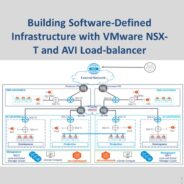
As modern data centers continue to evolve, organizations need networking solutions that can deliver applications securely, efficiently, and without unnecessary complexity.
Today, enterprise applications run across virtualized infrastructure, private clouds, and hybrid environments. As a result, IT teams must ensure that applications remain accessible, perform consistently, and scale according to changing business demands.
However, traditional networking and
As cyber threats continue to evolve, protecting enterprise networks requires more than traditional firewalls and basic access controls.
Every day, employees and business applications connect to websites, cloud services, and external internet resources. While most of these connections support legitimate business activities, some may lead to malicious websites, phishing pages, malware distribution platforms, or other potentially
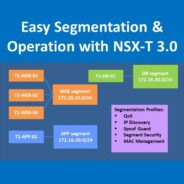
As enterprise data centers become more virtualized, managing network connectivity and security across different workloads is becoming increasingly important.
Traditional networking relies heavily on physical switches, VLANs, and hardware-based configurations. While these technologies remain essential, they can introduce operational complexity when organizations need to deploy new applications, connect virtual machines, or make frequent changes to their
As enterprise data centers become more complex, protecting applications and workloads from cyber threats has become a major priority for IT and security teams.
Traditionally, organizations focused on securing their network perimeter using firewalls, intrusion prevention systems, and other security technologies. While these controls remain important, they may not provide sufficient protection against threats that move