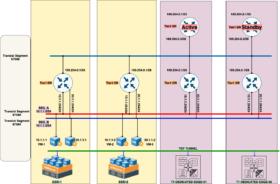
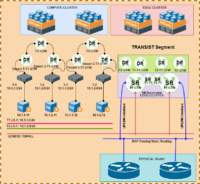
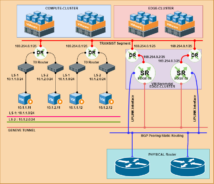
Learn how the VMware NSX-T Tier-1 Gateway works with an Edge Cluster to provide networking and security services in a modern data center. This practical guide explains the difference between the Distributed Router (DR) and Service Router (SR), how traffic moves between them, and when a Tier-1 Gateway needs an Edge Cluster. Explore important services
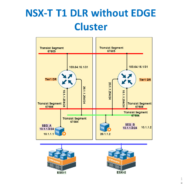
Explore how VMware NSX-T segments work when no IP subnet or gateway is configured, and understand how virtual machines stay connected across different ESXi hosts. This practical guide explains how NSX-T uses logical switching, VTEP tables, and controller synchronization to manage communication between virtual machines within the same network segment. Learn how segments are created,
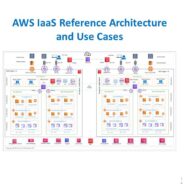
As businesses continue to modernize their IT infrastructure, cloud computing has become an important part of building flexible, scalable, and reliable technology environments. However, moving applications and workloads to the cloud requires more than simply launching virtual machines or selecting storage services.
A well-designed cloud architecture must support application performance, network connectivity, security, availability, and cost
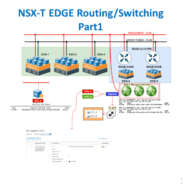
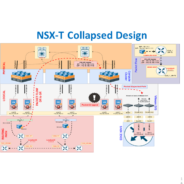
Explore how VMware NSX-T Edge deployment works in collapsed and non-collapsed data center designs. Learn how the placement of Edge nodes and ESXi transport hosts affects network connectivity, VTEP tunnel communication, and traffic forwarding. This practical guide explains why silent packet drops and tunnel failures can occur in certain collapsed architectures and how network engineers
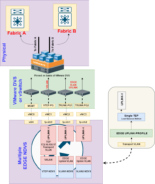
Learn how NSX-T Edge nodes support network connectivity, routing, and traffic forwarding between virtual networks and external environments. The article also explains the differences between single and multiple N-VDS designs, including how virtual switches, uplink profiles, and Tunnel Endpoints (TEPs) work together to support network communication.Through practical examples and detailed configuration explanations, discover how to
This video article explains the TLS/SSL web server traffic analysis using the Wireshark packet capture tool. Any web server especially that requires login will be using TLS/SSL encryption to enable security. It is crucial to have a basic understanding of the TLS handshake and to familiarise the packets transaction. TLS/SSL uses the asymmetric public key
Building a modern data center requires more than upgrading servers, storage, and networking equipment. Organizations need a clear architecture that connects infrastructure, applications, security, and cloud services.
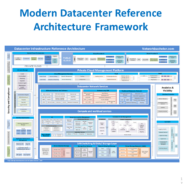
This guide explains the key components of a modern data center reference architecture, including storage systems, compute platforms, software-defined networking, private cloud management, and hybrid cloud integration. It also
In Part 11 of our VMware NSX-T Series, we will take a closer look at NSX-T Multi-Tier Routing and understand how it simplifies network connectivity in modern data centers. First, we will explore the key differences between Tier-0 (T0) and Tier-1 (T1) gateways. We will explain their roles, how they work together, and why both
In this “NSX-T Series: Part 10 – NSX-T Routing” part, we will discuss the types of routing in NSX-T and difference between DR and SR concepts.As well as the methods of deploying EDGE in NSX-T.