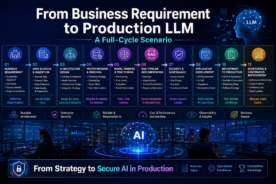
Learn how organizations turn business requirements into secure, production-ready Large Language Model (LLM) applications. This practical guide explains the complete enterprise LLM deployment lifecycle, from defining business objectives and designing RAG architecture to preparing data, managing GPU training with Slurm, deploying applications with Kubernetes, and integrating enterprise security controls. Discover how business stakeholders, solution architects,
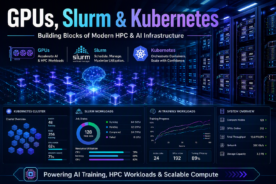
Discover how GPUs, Slurm, and Kubernetes work together to power modern High-Performance Computing (HPC) and artificial intelligence infrastructure. This practical guide explains how GPUs handle demanding AI calculations, how Slurm schedules training jobs across GPU clusters, and how Kubernetes manages containerized AI applications. Learn about high-speed networking, distributed storage, GPU monitoring, infrastructure automation, and the
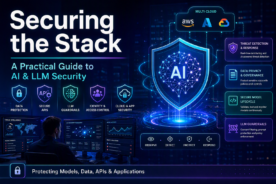
As businesses adopt artificial intelligence and large language models, protecting sensitive information and AI applications becomes increasingly important.
This practical guide explains the major security risks associated with LLMs, including prompt injection attacks, sensitive data exposure, insecure output handling, data poisoning, and excessive agency.
Learn how these threats affect enterprise AI environments and discover practical ways to
Building a reliable multicloud network requires more than connecting cloud regions through private WAN circuits.
As organizations expand their cloud infrastructure, they often face challenges with network redundancy, bandwidth limitations, routing complexity, and disaster recovery.
This article explores the practical lessons learned from the Aviatrix Certified Engineer (ACE) – Multicloud Network Associate certification.
It explains how traditional network
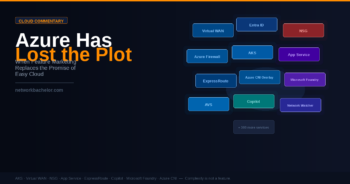
Microsoft Azure offers a wide range of cloud services, but managing them can sometimes be more complicated than expected.
This article explores the growing complexity of Azure cloud infrastructure and explains why routine tasks can become difficult for IT teams.
Learn about common challenges involving Azure VMware Solution, networking configurations, Kubernetes, App Service connectivity, ExpressRoute, and Microsoft
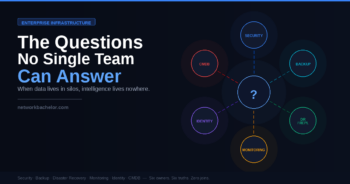
Enterprise IT teams collect valuable information about servers, security, backups, monitoring, and infrastructure assets. However, this data often remains scattered across different systems and departments.
This article explores how infrastructure data silos make it difficult for organizations to answer important operational and compliance questions.
Learn how a unified infrastructure data model can connect information from endpoint security
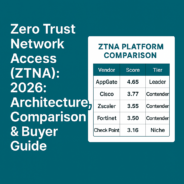
As enterprise networks become more distributed, securing access to applications, users, and critical infrastructure has become increasingly complex.
Employees now work from different locations, applications run across on-premises data centers and multiple cloud environments, and third-party partners often require controlled access to business systems.
Meanwhile, cyber threats continue to evolve, making traditional network-based access controls less effective
Building enterprise AI applications often requires more control over data security, model selection, and infrastructure costs. This guide explains how to design and deploy a private LLM router that works as a self-hosted alternative to OpenRouter. Learn how to connect multiple language models using vLLM, Ollama, NVIDIA NIM, and Kubernetes while managing intelligent routing, authentication,
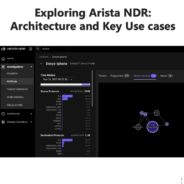
As enterprise networks become more complex, detecting cybersecurity threats has become increasingly challenging.
Organizations today operate across traditional data centers, campus networks, cloud platforms, remote locations, and environments containing thousands of connected devices. While firewalls, endpoint security solutions, and access controls remain essential, they may not provide complete visibility into suspicious activities occurring within the network.
For