Discover how to architect, deploy, and operate a secure, scalable sovereign LLM inference platform using Kubernetes, NVIDIA H200 GPUs, vLLM, NVIDIA NIM, LiteLLM, and F5. Explore enterprise AI infrastructure design, GPU resource management, high-performance model serving, intelligent API routing, load balancing, and Zero Trust security. Learn how organizations can maintain control over sensitive data, optimize
As organizations strengthen their cybersecurity systems, traditional passwords and PINs are no longer the only methods used to verify a person's identity.
Biometric authentication is becoming an important part of modern security because it uses physical or behavioral characteristics to help confirm that someone is who they claim to be.
Fingerprint recognition, facial recognition, iris scanning, and
Every organization stores sensitive information, from customer records and financial transactions to employee details, business documents, and confidential operational data.
But what happens to this information when a storage device reaches the end of its useful life?
Many organizations assume that deleting files, formatting a drive, or resetting a device is enough to remove sensitive information permanently.
Unfortunately,
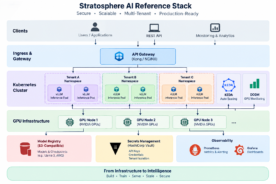
Build practical AI infrastructure skills through a comprehensive, 12-stage hands-on learning roadmap designed for AI engineers, DevOps professionals, MLOps practitioners, and enterprise infrastructure architects. Explore how to design, deploy, manage, secure, and optimize production-ready AI environments using Kubernetes, NVIDIA GPUs, container orchestration, and modern cloud-native technologies. Learn essential concepts in GPU resource allocation, NVIDIA GPU
Building enterprise AI infrastructure is no longer just about purchasing powerful GPUs.
As organizations develop larger AI models, train complex neural networks, and deploy demanding inference applications, they need infrastructure that can handle massive computing workloads without sacrificing performance, reliability, or operational efficiency.
However, managing hundreds or thousands of GPUs across multiple servers introduces challenges that traditional
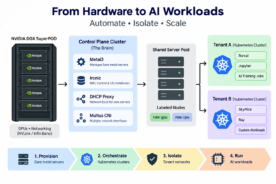
As artificial intelligence becomes an essential part of enterprise technology, organizations are investing heavily in powerful GPU infrastructure to support model training, large language model inference, and other demanding computing workloads.
However, purchasing high-performance GPU servers is only the beginning.
The real challenge is making these expensive computing resources available to multiple teams while maintaining performance, security,
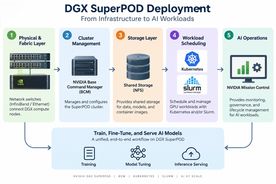
Building enterprise AI infrastructure requires much more than connecting a few powerful GPU servers.
Modern artificial intelligence workloads, especially large language model training and distributed inference, depend on several technologies working together. These include accelerated computing, high-speed networking, reliable storage, workload orchestration, and infrastructure monitoring.
When these components are properly integrated, organizations can build AI environments capable
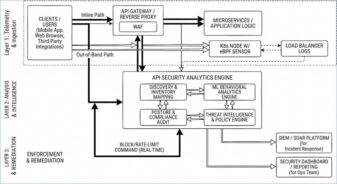
APIs have become an essential part of modern business applications. From mobile banking and online shopping to cloud platforms and enterprise software, APIs allow different systems to communicate, exchange information, and deliver digital services.
However, as organizations rely more heavily on APIs, they also face growing security challenges.
Attackers may target poorly protected API endpoints, exploit weaknesses
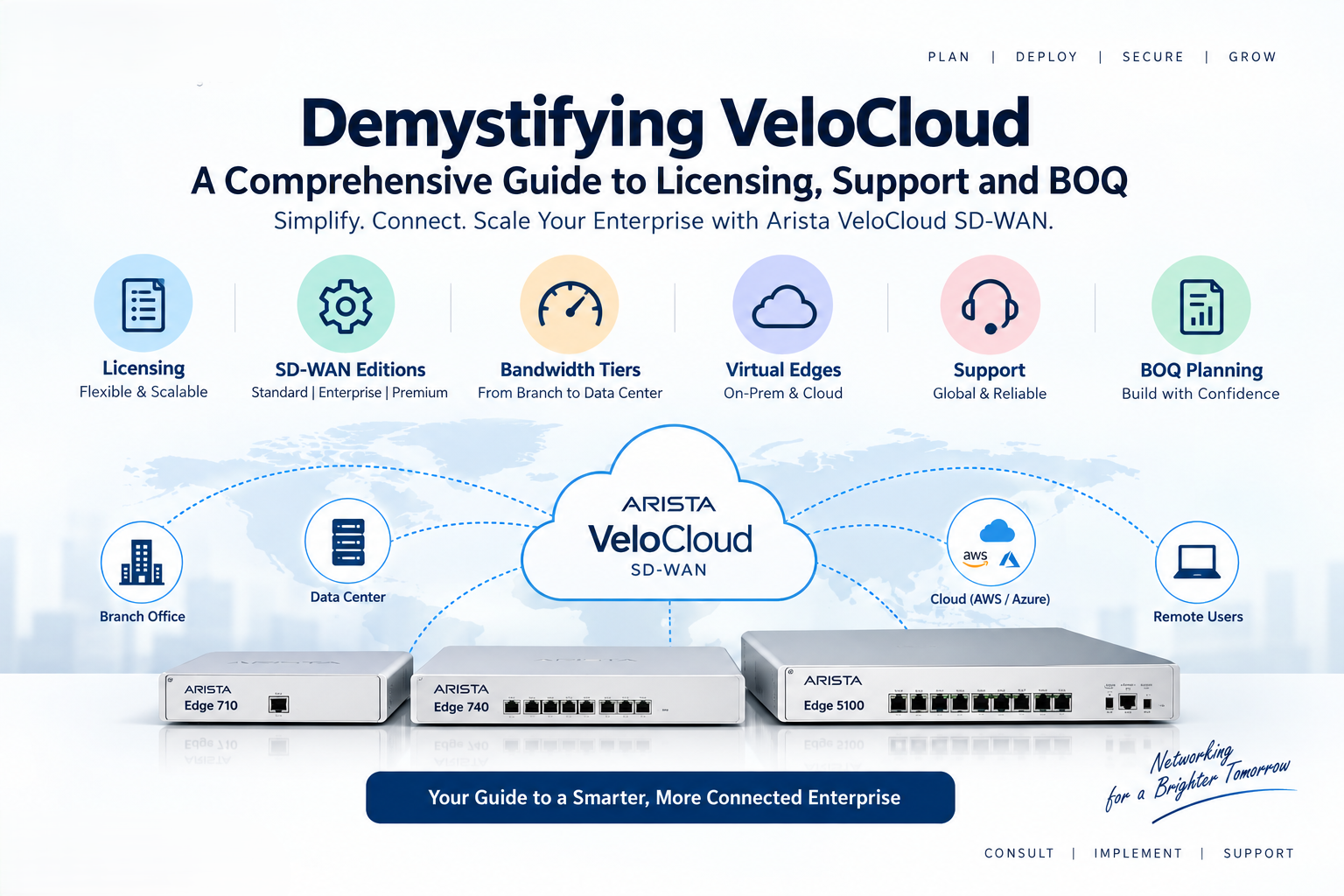
Deploying an enterprise SD-WAN solution involves more than choosing the right network devices and connecting branch offices.
Organizations must also understand licensing requirements, subscription costs, support agreements, and the infrastructure components needed to build a reliable network.
For businesses operating across multiple branches, these decisions can have a significant impact on network performance, scalability, and long-term operating
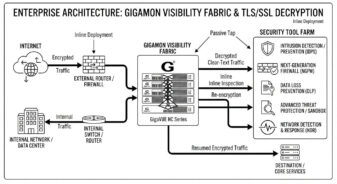
Encryption plays an essential role in protecting modern enterprise networks. Every day, organizations rely on encrypted connections to secure financial transactions, customer information, cloud applications, and communication between business systems.
However, encryption also creates a challenge for cybersecurity teams.
While TLS protects sensitive information from unauthorized access, it can also prevent traditional network monitoring tools from examining